
 How to Make Silage: A Complete Step-by-Step Guide for Farmers""" decoding="async" fetchpriority="high" data-src="https://silagebaler.com/wp-content/uploads/2026/06/silage-making.webp" data-type="string" data-sizes="(max-width: 1118px) 100vw, 1118px" data-srcset="https://silagebaler.com/wp-content/uploads/2026/06/silage-making.webp 1118w, https://silagebaler.com/wp-content/uploads/2026/06/silage-making-600x337.webp 600w, https://silagebaler.com/wp-content/uploads/2026/06/silage-making-300x169.webp 300w, https://silagebaler.com/wp-content/uploads/2026/06/silage-making-768x431.webp 768w, https://silagebaler.com/wp-content/uploads/2026/06/silage-making-18x10.webp 18w" />

Silage is one of the best ways to preserve fresh forage for year-round livestock feeding. By making your own silage, you can cut feed costs by up to 60%. Your cattle, dairy cows, and other livestock get nutritious feed—even during dry seasons or winter months.
This guide walks you through the complete silage making process. From harvesting crops at the right moisture to using equipment like silage baler machines for baling and wrapping—we’ve got you covered.
What is Silage?
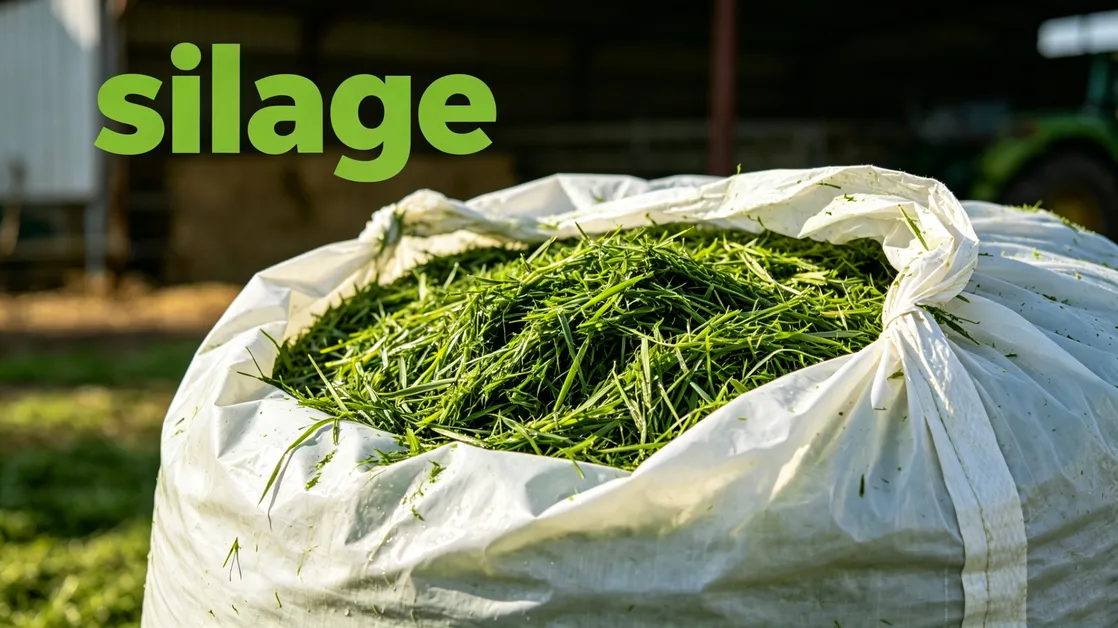
Silage is fermented, moist forage that livestock can eat all year round. The process: compress fresh plant material in an airtight space. Natural bacteria turn sugars into lactic acid. This acidic environment preserves the feed—keeping up to 85% of its nutritional value for 1-2 years.
Unlike hay, which relies on drying, silage preserves feed while it’s still moist—typically at 40-60% moisture. This makes silage especially valuable where the weather is unpredictable or where making hay is difficult.
The Silage Making Process at a Glance
| Step | Activity | Key Point |
| 1 | Harvest at the right stage | Moisture: 40-60% |
| 2 | Cut and wilt (if needed) | Reach target moisture |
| 3 | Chop into small pieces | 5-15cm length ideal |
| 4 | Compact and remove air | Airtight is essential |
| 5 | Seal and ferment | Wait 3-6 weeks minimum |
| 6 | Store properly | Keep for 1-2 years |
Each step matters. Skip one and your silage quality suffers.
Best Crops for Silage
Not all crops work well for silage. The best ones are high in sugar and have good moisture. Here are the top choices:
Corn (Most Popular)
Corn silage is the gold standard for dairy and beef cattle. It’s high in energy and easy to digest. Harvest when grain is at 2/3 milk line and whole-plant moisture is 60-70%.
Grass and Legume Silage
Timothy, clover, alfalfa, and other grasses make excellent silage—especially when mixed with corn. These work well for sheep, goats, and cattle. Cut at early bloom for best nutrition.
Sorghum
Sorghum handles drought well and thrives in hot climates. It’s similar to corn in nutritional value. Harvest at the right stage for quality silage.
Other Options
- Sugarcane tops and leaves
- Crop residues (wheat straw, rice straw)
- Whole plant barley or oats
Step-by-Step: How to Make Silage
Step 1: Choose the Right Harvest Time
Timing is everything. Harvest too early (too wet) and you’ll get seepage and bad fermentation. Harvest too late (too dry) and the forage won’t compress properly—leading to mold and spoilage.
- Corn: Harvest when grain moisture is 60-70% (when 2/3 of kernels reach the milk line)
- Grass: Cut at early bloom, before seed heads fully develop
- Alfalfa: Cut at 10-15% bloom for the best balance of yield and quality
Step 2: Cut and Wilt (If Needed)
For direct-cut silage, chop immediately after cutting. For field wilting, spread cut material in thin rows for 2-4 hours to bring moisture down to 40-60%.
Use a chaff cutter to get the ideal chop length of 5-15cm. Shorter pieces (2-5cm) work best for bunker silos. Longer pieces (10-15cm) are better for round bales.
Step 3: Chop the Material
Chop length affects how well silage compacts and ferments. Fine chopping (2-5cm) increases density and makes it easier for animals to digest. But very fine chopping can reduce effective fiber for ruminants.
| Storage Method | Ideal Chop Length |
| Bunker/Pit Silo | 2-5 cm (fine chop) |
| Round Bale Silage | 10-15 cm (coarse chop) |
| Bag Silo | 2-4 cm (very fine) |
Step 4: Compact and Remove Air
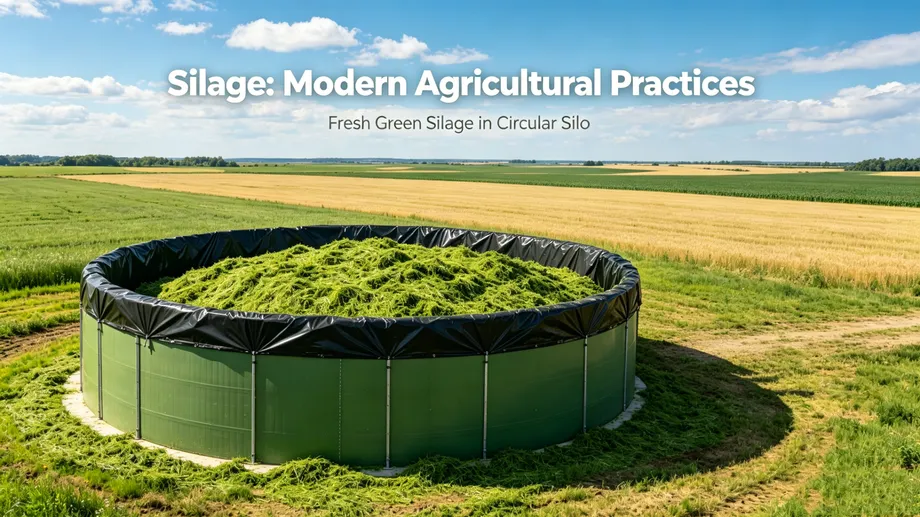
Oxygen is the enemy of good silage. Exclude air as fast as possible for better fermentation. For bunker silos, spread material in thin layers (15-20cm) and compact thoroughly with heavy tractors.
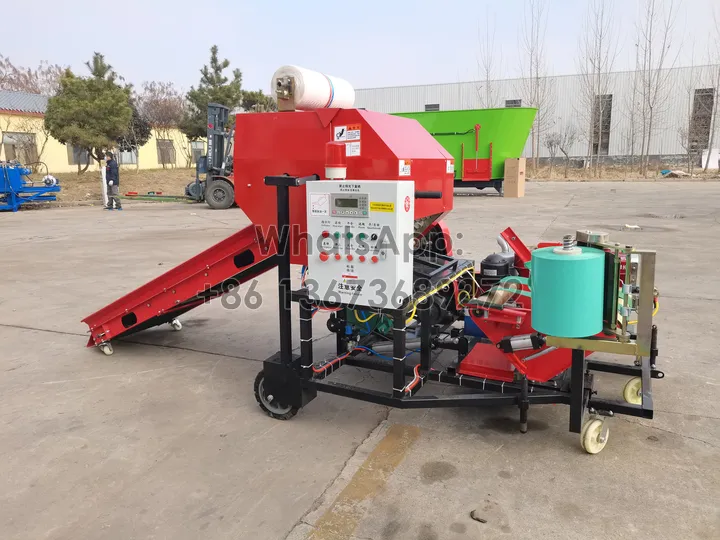
For round bale silage, use a silage baler machine to create tight bales. The compression itself removes most of the trapped air.
Step 5: Seal Immediately
Once you’ve filled your silo or made your bales, seal them right away. For bunker silos, use plastic sheets weighted down with tires or sandbags. For round bales, wrap with plastic film using a silage baler and wrapper.
The goal: create an oxygen-free environment where good bacteria multiply and produce lactic acid.
Step 6: Allow Fermentation
Fermentation takes 3-6 weeks, depending on temperature and moisture. During this time:
- Good bacteria convert sugars to lactic acid
- PH drops from 6.0 to 4.0 or lower
- The feed becomes acidic enough to prevent spoilage
Don’t open or feed from silage until fermentation is done. Opening early lets oxygen in, causing spoilage.
Step 7: Store and Feed
Properly made silage keeps for 1-2 years. Keep bales sealed or bunker silos covered until you’re ready to feed. Once opened, use within 3-5 days to prevent spoilage.
For best results, mix silage with other ingredients in a TMR mixer to create a balanced ration.
Silage Making Methods Compared
There are three main ways to make silage. Pick based on your farm size, budget, and equipment:
| Method | Terbaik Untuk | Pros | Cons |
| Bunker/Pit Silo | Large farms (100+ head) | Low cost per ton, easy to fill | Need space, high upfront cost |
| Round Bale | Small to medium farms | Flexible, portable, easy storage | Higher plastic costs, more labor |
| Bag Silo | Ladang sederhana | No permanent structure needed | Bags can tear easily |
Round Bale Silage (Recommended for Most Farms)
The round bale method gives you the most flexibility. You can:
- Make silage when the weather allows
- Store bales anywhere on your farm
- Feed bales gradually without rush
- Sell extra silage to neighbors
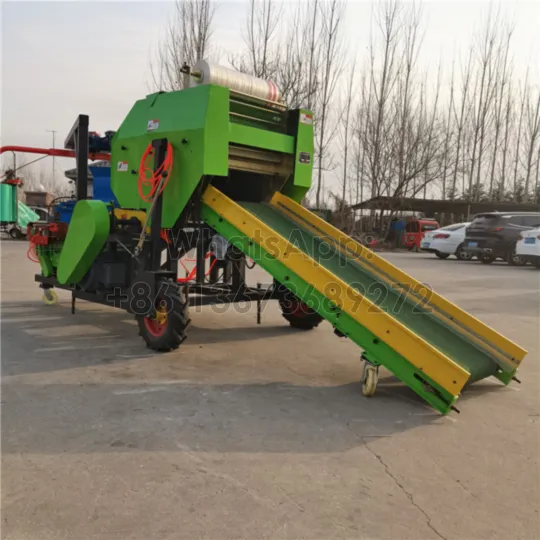
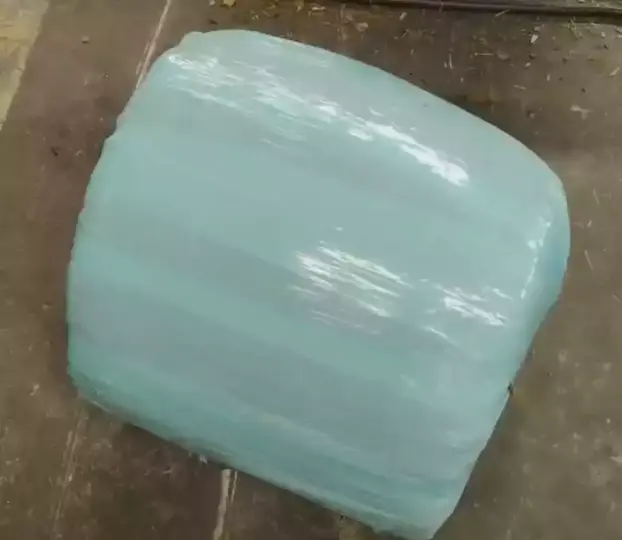
For farms with 50-500 head of cattle, a 70-type silage baler and wrapper produces bales weighing 180-260kg—perfect for handling and feeding.
Common Silage Making Mistakes to Avoid
Even experienced farmers slip up sometimes. Here are the most common mistakes and how to avoid them:
Mistake 1: Harvesting at Wrong Moisture
Problem: Too wet causes seepage and butyric fermentation. Too dry leads to poor compaction and mold.
Fix: Test moisture with a microwave or moisture tester. Target 40-60% moisture depending on your storage method.
Mistake 2: Poor Compaction
Problem: Air pockets cause mold and spoilage in 20-40% of silage.
Fix: Spread in thin layers and compact thoroughly. For round bales, use a quality silage baler machine that makes dense bales.
Mistake 3: Inadequate Sealing
Problem: Oxygen getting in causes heating, mold, and nutrient loss.
Fix: Use 6-8 layers of plastic film for round bales. For bunker silos, overlap plastic sheets and seal edges with tape or sand.
Mistake 4: Opening Too Early
Problem: Feeding silage before fermentation finishes means poor fermentation and reduced feed value.
Fix: Wait at least 3-6 weeks after sealing before opening. Good silage smells sweet and has pH below 4.5.
Signs of Good vs. Bad Silage
How do you know if your silage turned out well? Here’s how to check:
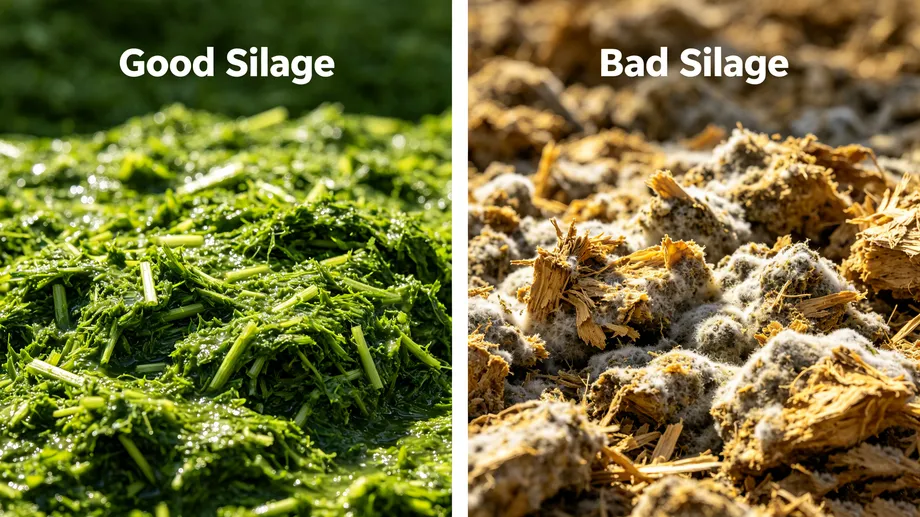
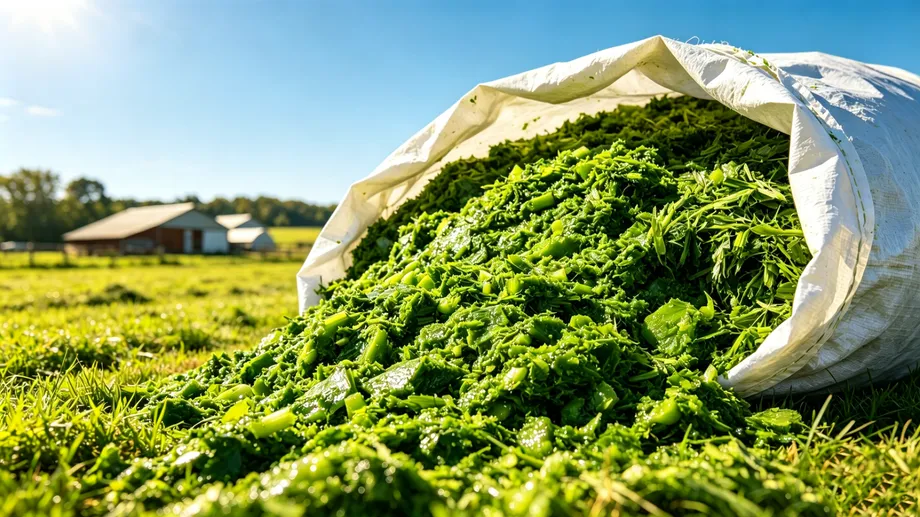
Good Silage Characteristics
- Color: Yellowish-green to olive green (corn) or greenish (grass)
- Smell: Pleasant, slightly sweet—like vinegar or fruity. Not rotten or putrid.
- Texture: Leaves and stems are recognizable. Not mushy or slimy.
- Temperature: Cool when opened. Warmth means spoilage.
Bad Silage Warning Signs
- Color: Dark brown, black, or white patches
- Smell: Butyric (rancid butter), putrid, or moldy
- Texture: Slimy, mushy, or has visible mold
- Temperature: Hot to the touch (active spoilage)
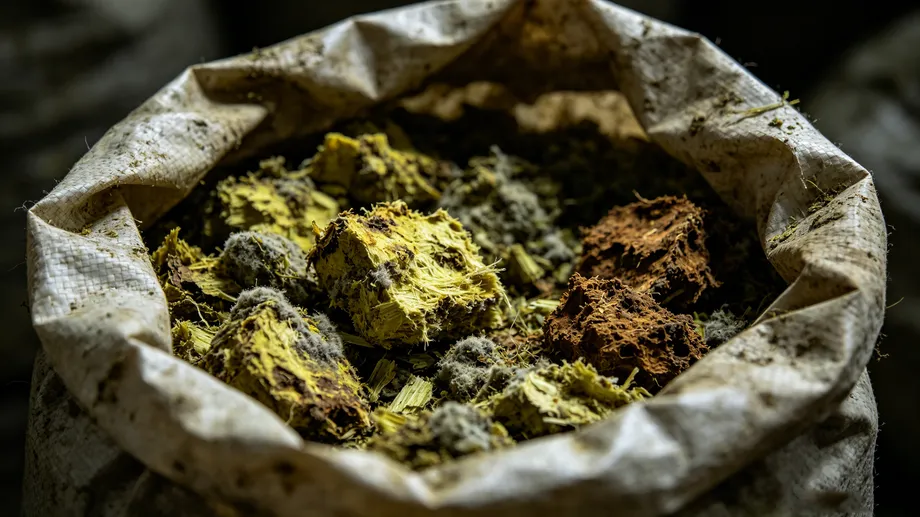
Never feed moldy or spoiled silage to livestock—it can cause listeriosis and other health problems.
Cost Benefits of Making Your Own Silage
Making silage costs money upfront, but savings over buying commercial feed are huge:
| Cost Factor | Commercial Feed | Homemade Silage |
| Feed Cost (per ton) | $150-300 | $30-60 |
| Storage Cost | Included | $5-15/ton |
| Annual Feed Cost (50 head) | $22,500-45,000 | $4,500-9,000 |
| Annual Savings | / | $18,000-36,000 |
A quality silage baler pays for itself in just 3-6 months. Most farms see full return on investment within the first year.
Start Making Silage Today
Learning how to make silage is one of the best investments for your livestock operation. With the right equipment—like a quality silage baler—you can preserve fresh forage all year, cut feed costs dramatically, and keep your animals healthy and productive.
The steps are simple: harvest at the right moisture, chop to the right length, compact well, seal airtight, and let fermentation do its work. Follow this guide and you’ll be making great silage in no time.
Ready to get started? Contact Taizy for info on silage baler machines and equipment that fit your farm and budget.