
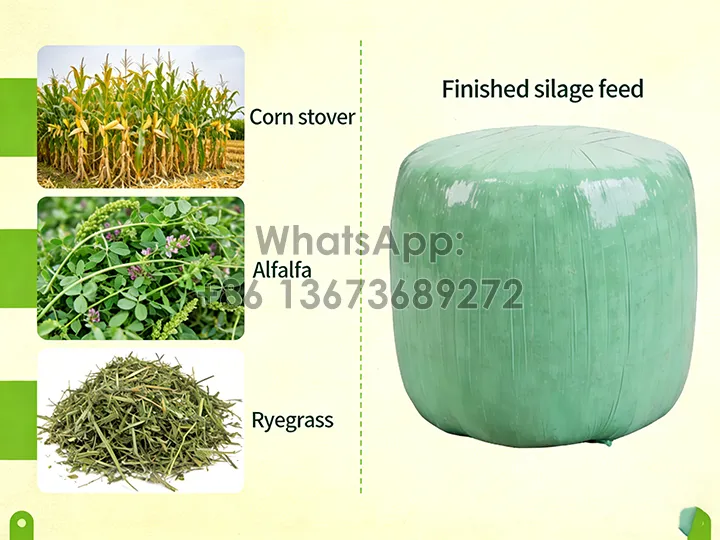


Choosing the right silage equipment is crucial for modern livestock farms. Whether you run a small family farm or a large commercial dairy operation, having the proper machinery can significantly improve feed quality, reduce waste, and boost your farm’s profitability. This comprehensive guide will walk you through everything you need to know about selecting the best silage equipment for your specific needs.
Understanding Your Silage Production Needs
Before investing in any equipment, it’s essential to assess your farm’s specific requirements. Here are the key factors to consider:
- Herd size: The number of animals you feed directly impacts the capacity of equipment you need
- Available feed materials: Corn stalks, grass, hay, straw, or mixed forages
- Feeding frequency: Daily fresh feeding vs. long-term storage
- Budget constraints: Initial investment vs. long-term operational costs
- Power availability: Electric supply, diesel preference, or tractor PTO options
- Storage space: Available area for equipment and silage storage
Essential Silage Equipment Types
A complete silage production system typically includes several key machines. Let’s examine each type and how to choose the right model.
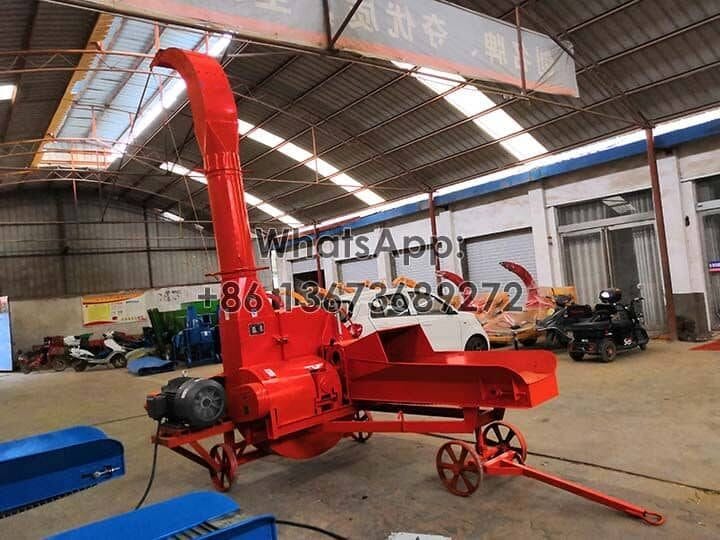
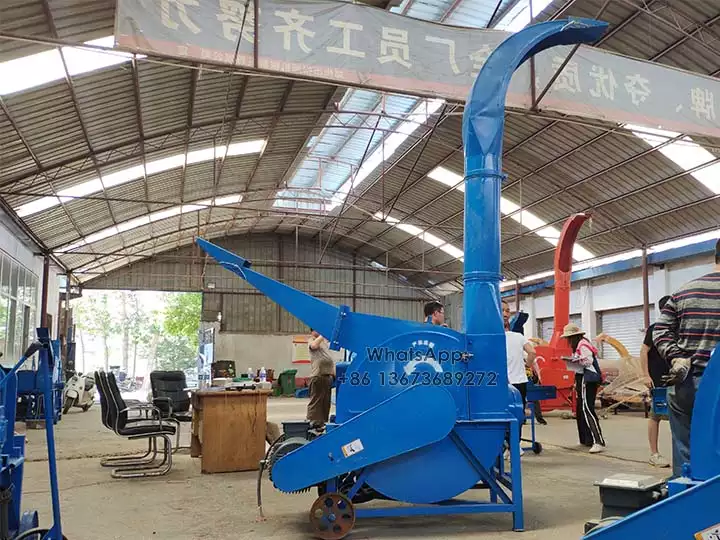
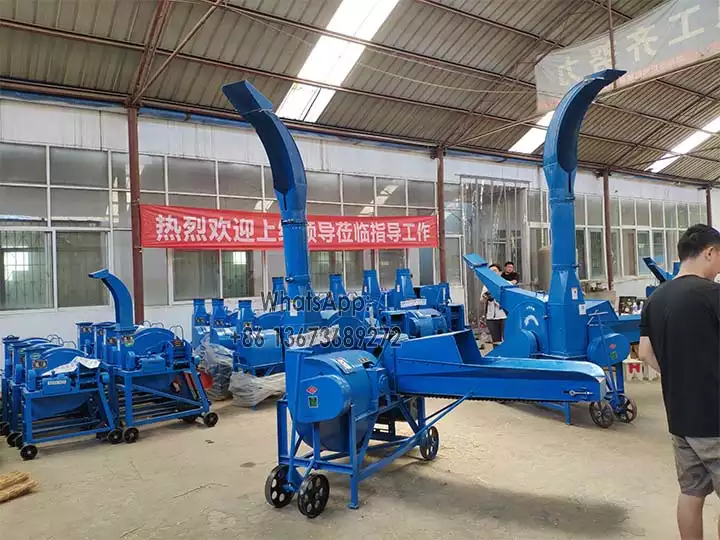
1. Chaff Cutter (Forage Cutting Machine)
Chaff cutter is the foundation of silage production, responsible for cutting raw materials into appropriate sizes for fermentation and animal consumption.
Capacity Selection Guide
| Farm Size | Herd Size | Recommended Capacity | Suitable Models |
| Small | 10-50 animals | 1-3 t/h | 9Z-1.2, 9ZR-2.5 |
| Medium | 50-200 animals | 3-6.5 t/h | 9Z-2.8A, 9Z-6.5A |
| Large | 200+ animals | 10+ t/h | 9Z-10A/15A |
Key Features to Consider
- Cutting length adjustment: Look for machines with adjustable cutting lengths (typically 5-50mm) to suit different animal requirements
- Kaedah pemakanan: Manual feeding for small operations, automatic conveyor feeding for larger farms
- Power options: Electric motors for stable power supply areas, diesel engines for remote locations
- Blade quality: High manganese steel blades offer better durability and cutting performance
- Multi-function capability: Some models combine cutting and grinding functions for added versatility
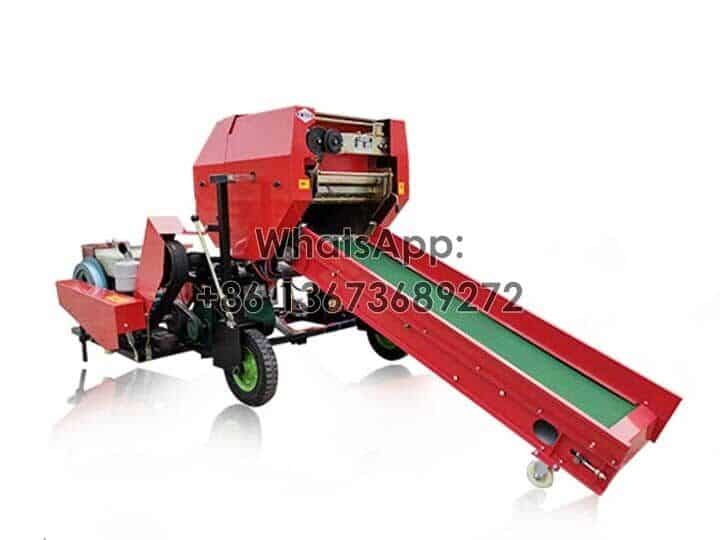
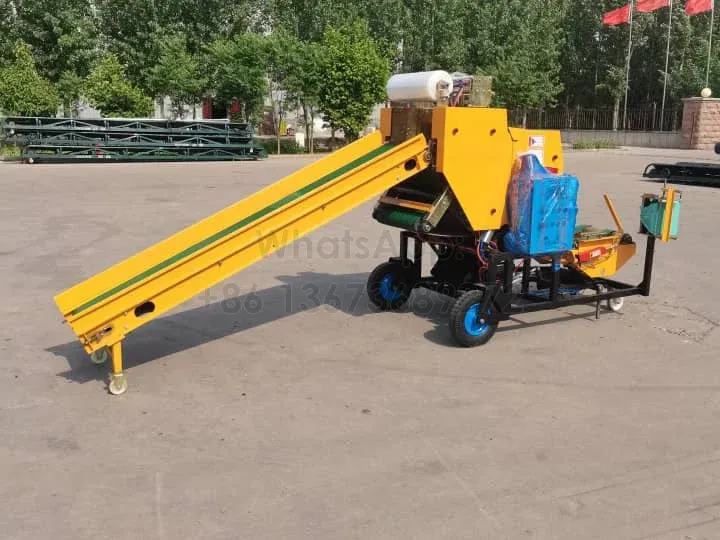
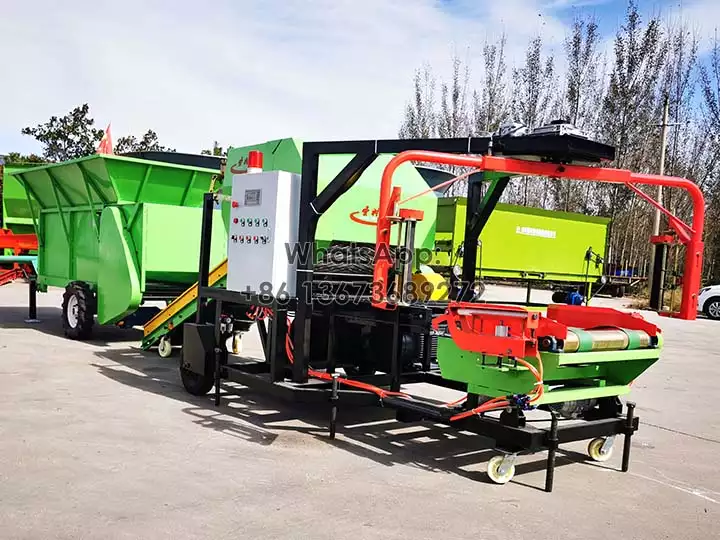
2. Silage Baler (Baling and Wrapping Machine)
Silage baler compresses and wraps cut forage into airtight bales, creating optimal conditions for fermentation and long-term storage.
Baler Size Comparison
| Model | Bale Size | Bale Weight | Kapasiti | Best For |
| TZ-55-52 (50 type) | 550×520mm | 65-100kg | 50-60 bales/h | Small-medium farms |
| 9YDB-60 (60 type) | 600×520mm | 90-140kg | 50-75 bales/h | Medium farms |
| 9YDB-70 (70 type) | 700×700mm | 180-260kg | 50-65 bales/h | Large farms, contractors |
Important Baler Features
- Wrapping layers: Choose machines offering 2-6 layer wrapping options for different storage duration needs
- Automation level: Fully automatic balers save labor but cost more; semi-automatic models offer budget-friendly options
- Film cutting: Automatic film cutting improves efficiency and reduces waste
- Power flexibility: Models with both electric and diesel options provide operational flexibility
- Portability: Consider wheeled models if you need to move between locations
3. TMR Mixer (Total Mixed Ration Feed Mixer)
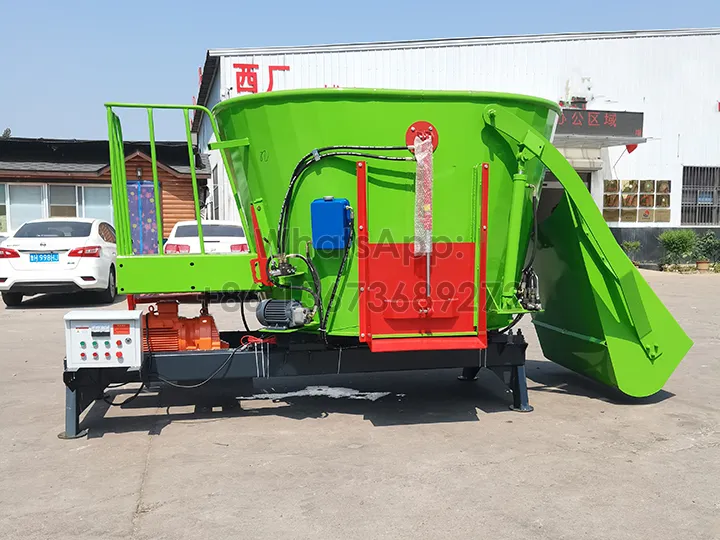
TMR mixer blends silage with concentrates, minerals, and other feed ingredients to create nutritionally balanced rations for optimal animal health and production.
TMR Mixer Capacity Selection
| Mixer Capacity | Suitable Herd Size | Farm Type |
| 3-5m³ | 50-100 head | Small dairy farms |
| 6-10m³ | 100-300 head | Medium operations |
| 12-18m³ | 300-500 head | Large dairy farms |
| 24-36m³ | 500+ head | Commercial operations |
TMR Mixer Power Options
- Electric stationary: Best for farms with reliable three-phase power; lowest operating cost
- PTO-driven: Ideal if you already own suitable tractors; good for mobile feeding
- Diesel-powered: Perfect for remote areas without reliable electricity
- Hydraulic loading: Reduces manual labor; recommended for larger operations
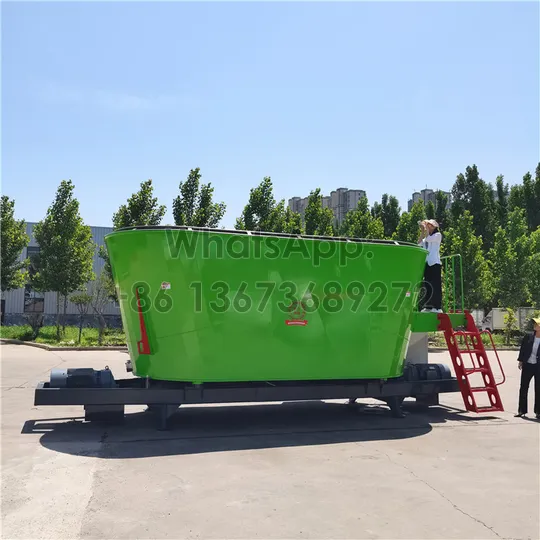
4. Silage Harvester (For Large-Scale Operations)
For farms growing their own corn or other silage crops, a silage harvester can significantly improve efficiency by cutting, chopping, and collecting crops in one pass.
When to consider a harvester:
- You cultivate 50+ acres of silage crops annually
- You currently hire contractors for harvesting
- You want to control harvest timing for optimal nutrition
- You have a tractor with 60+ HP available
Complete Silage System Configurations
Based on our experience serving farmers worldwide, here are recommended equipment combinations for different farm sizes:
Small Farm Setup (10-50 Animals)
- Pemotong sekam: 9Z-1.2 (1.2t/h capacity)
- Baler silaj: TZ-55-52 (50-type)
- Estimated investment: $3,000-5,000
- Kapasiti pengeluaran: 2-3 tons silage per day
Medium Farm Setup (50-200 Animals)
- Pemotong sekam: 9Z-6.5A (6.5t/h capacity)
- Baler silaj: 9YDB-60 (60-type)
- TMR mixer: 5-7m³ vertical mixer
- Estimated investment: $8,000-15,000
- Kapasiti pengeluaran: 8-12 tons silage per day
Large Commercial Setup (200+ Animals)
- Pemotong sekam: 9Z-10A/15A (10-15t/h capacity)
- Silage harvester: GH-400 series (for self-grown crops)
- Baler silaj: 70-type or hydraulic baler
- TMR mixer: 12-18m³ with hydraulic loading
- Feed spreader: Penyebar silaj elektrik
- Estimated investment: $10,000-50,000+
- Kapasiti pengeluaran: 20+ tons silage per day
Key Factors in Equipment Selection
1. Power Source Considerations
| Power Type | Advantages | Best For |
| Electric | Low operating cost, quiet, clean | Farms with stable grid power |
| Diesel | Portable, no electricity needed, powerful | Remote areas, mobile operations |
| PTO/Tractor | Uses existing tractor, mobile | Farms with suitable tractors |
| Gasoline | Lightweight, easy to start | Small-scale, occasional use |
2. Build Quality and Durability
When evaluating equipment quality, pay attention to:
- Frame construction: Heavy-duty steel frames withstand heavy use
- Bahan bilah: High manganese steel offers 3-5x longer life than standard steel
- Bearing quality: Sealed bearings reduce maintenance
- Warranty period: Longer warranties indicate manufacturer confidence
- Spare parts availability: Ensure parts can be sourced locally or shipped quickly
3. After-Sales Support
Reliable after-sales service is crucial for minimizing downtime. Look for suppliers who offer:
- Comprehensive operation manuals and training videos
- Responsive technical support (ideally 24/7)
- Readily available spare parts
- Installation guidance and commissioning support
- Warranty coverage for major components
Budget Planning and ROI Calculation
Initial Investment Breakdown
| Equipment Type | Entry Level | Mid-Range | High-Capacity |
| Pemotong Dedak | $500-1,000 | $1,500-3,000 | $4,000-8,000 |
| Silaj Baler | $2,000-3,500 | $4,000-6,000 | $7,000-12,000 |
| TMR Mixer | $3,000-5,000 | $6,000-10,000 | $12,000-25,000 |
| Harvester | N/A | $5,000-8,000 | $10,000-20,000 |
Calculating Your Return on Investment
To determine if silage equipment is a worthwhile investment, consider these factors:
- Feed cost savings: Home-produced silage typically costs 30-50% less than purchased feed
- Waste reduction: Properly wrapped silage reduces spoilage by 15-25%
- Penjimatan buruh: Mechanized feeding can reduce labor time by 50-70%
- Improved animal health: Better nutrition leads to increased milk production or weight gain
- Year-round feed security: Stored silage provides insurance against seasonal shortages
Example ROI calculation: A dairy farm with 100 cows investing $10,000 in equipment might save $200-300 monthly on feed costs while improving milk production by 5-10%, potentially achieving payback within 18-24 months.
Common Mistakes to Avoid
- Undersizing equipment: Buying too small leads to bottlenecks and overtime operation
- Ignoring power requirements: Ensure your electrical system or tractor can handle the equipment
- Overlooking maintenance needs: Budget 5-10% of equipment cost annually for maintenance
- Choosing price over quality: Cheaper equipment often costs more in repairs and downtime
- Not planning for growth: Consider future herd expansion when selecting capacity
- Neglecting training: Proper operator training prevents accidents and extends equipment life
Soalan Lazim
What size silage baler do I need for my farm?
The right baler size depends on your herd size and daily feed requirements.
For farms with 10-50 animals, a 50-type baler (TZ-55-52) producing 65-100kg bales is sufficient.
Medium farms with 50-200 animals should consider a 60-type baler (TZ-60) with 90-140kg bales.
Large operations with 200+ animals benefit from 70-type balers producing 180-260kg bales or hydraulic balers for maximum efficiency.
Should I choose an electric or diesel chaff cutter?
Choose electric chaff cutters if you have reliable three-phase power and will operate in a fixed location—they offer lower operating costs and quieter operation.
Choose diesel models if you lack stable electricity, need portability between locations, or operate in remote areas. Diesel units typically cost more upfront but provide greater flexibility.
How much silage can one baler produce per day?
Production capacity varies by model.
A 50-type baler can produce 50-60 bales per hour (3-5 tons/day), a 60-type produces 50-75 bales per hour (4-6 tons/day), and a 70-type produces 50-65 larger bales per hour (6-8 tons/day).
Actual output depends on material type, operator skill, and working conditions.
Do I need a TMR mixer if I already have a silage baler?
While not strictly necessary, a TMR mixer significantly improves feed efficiency and animal health. Silage balers preserve forage, while TMR mixers blend silage with concentrates, minerals, and other ingredients to create nutritionally complete rations.
For dairy farms with 50+ cows or feedlots with 100+ animals, a TMR mixer typically pays for itself within 12-18 months through improved feed conversion and animal performance.
What maintenance do silage machines require?
Regular maintenance includes: daily cleaning of debris and plant material; weekly lubrication of bearings and moving parts; monthly inspection of blades, belts, and chains; sharpening or replacing blades when cutting efficiency drops; and annual professional inspection of electrical and hydraulic systems.
Following the manufacturer’s maintenance schedule extends equipment life and prevents costly breakdowns.
Can I use the same equipment for different types of forage?
Yes, most quality chaff cutters and balers handle various materials including corn stalks, grass, hay, straw, and legumes. However, you may need to adjust cutting length settings and wrapping layers based on material moisture and density.
Some specialized crops like alfalfa may require specific blade configurations for optimal results.
How long does silage equipment typically last?
With proper maintenance, quality silage equipment lasts 8-15 years.
Chaff cutters typically operate 5,000-10,000 hours before major overhauls.
Silage balers process 50,000-100,000 bales before requiring significant repairs.
TMR mixers vary widely based on usage intensity but generally last 10+ years in farm conditions.
Choosing equipment with good build quality and following maintenance schedules maximizes service life.
What safety features should I look for in silage equipment?
Essential safety features include: emergency stop buttons accessible from multiple positions; protective guards around all moving parts; safety interlocks that prevent operation when guards are open; overload protection to prevent motor damage; and clear warning labels and operation instructions.
Additionally, look for equipment with stable bases or wheel locks to prevent movement during operation.
Conclusion: Making Your Decision
Choosing the right silage equipment requires careful consideration of your farm size, budget, power availability, and long-term goals. By following this guide, you can make an informed decision that improves your farm’s efficiency and profitability for years to come.
Remember these key points:
- Match equipment capacity to your herd size with 20-30% growth margin
- Prioritize quality and after-sales support over lowest price
- Choose power sources that match your farm’s infrastructure
- Consider complete systems rather than individual machines
- Calculate ROI based on feed savings, labor reduction, and productivity gains
At Taizy, we’ve helped thousands of farmers worldwide select and implement silage production systems. Our experienced team can provide personalized recommendations based on your specific situation. Contact us today for a free consultation and equipment recommendation tailored to your farm’s needs.