
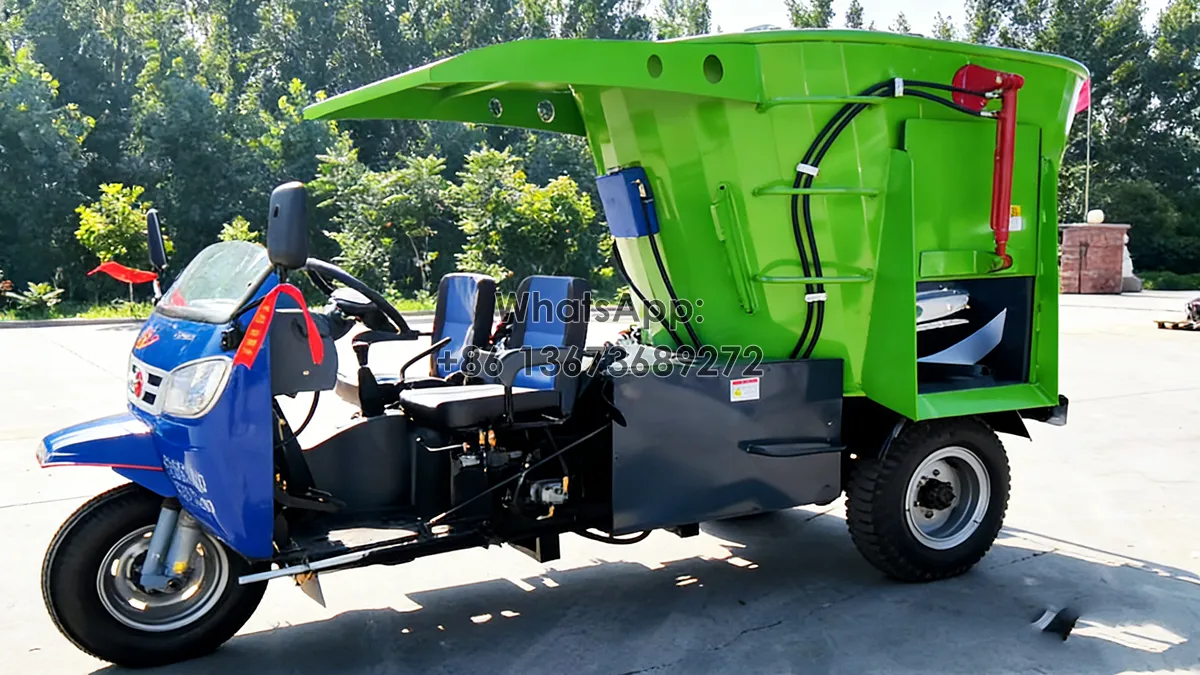


เนื่องจากการเลี้ยงวัวและแกะกำลังพัฒนาไปสู่การดำเนินงานในระดับใหญ่และเป็นมาตรฐานมากขึ้น ฟาร์มจำนวนมากขึ้นจึงนำเครื่องกระจายอาหารฟางรถสามลายมาใช้ในงานให้อาหารประจำวัน ไม่ว่าจะเป็นฟาร์มโคนม ฟาร์มวัวเนื้อ หรือฟาร์มแกะขนาดใหญ่ ความต้องการตลาดสำหรับอุปกรณ์นี้ยังคงเพิ่มขึ้น
บทความนี้นำเสนอการวิเคราะห์อย่างเป็นระบบจากหลายมุมมอง รวมถึงแนวโน้มอุตสาหกรรม การควบคุมต้นทุน การเพิ่มประสิทธิภาพ และการอัปเกรดอัจฉริยะ เพื่อช่วยให้คุณเข้าใจ
แนวโน้มกลไกสำหรับการทำฟาร์มขนาดใหญ่
ขยายขนาดการทำฟาร์ม
แนวโน้มในปัจจุบันของการเลี้ยงวัวและแกะ:
- จำนวนสัตว์เลี้ยงต่อฟาร์มที่เพิ่มขึ้น
- รอบการให้อาหารบ่อยขึ้น
- มาตรฐานการจัดการที่เข้มงวดยิ่งขึ้น
การให้อาหารด้วยมือแบบดั้งเดิมมีข้อจำกัดชัดเจน:
- พึ่งพาแรงงานมากเกินไป
- ประสิทธิภาพต่ำ
- ความยากในการจัดการมาตรฐาน
- อัตราการหมุนเวียนของพนักงานสูง
ในบริบทนี้ เครื่องกระจายอาหารฟางรถสามลายกลายเป็นโซลูชันสำคัญในการทดแทนแรงงานมนุษย์
การให้อาหารกลไก
การนำอุปกรณ์กลไกมาใช้หมายความว่า:
- ขั้นตอนการดำเนินงานที่เป็นมาตรฐาน
- ตารางเวลาการให้อาหารที่สม่ำเสมอ
- ประสิทธิภาพการผลิตที่สามารถวัดได้
สิ่งนี้ไม่เพียงแต่ยกระดับมาตรฐานการจัดการฟาร์ม แต่ยังเสริมความแข็งแกร่งให้กับความสามารถในการแข่งขันในตลาดของกิจการ
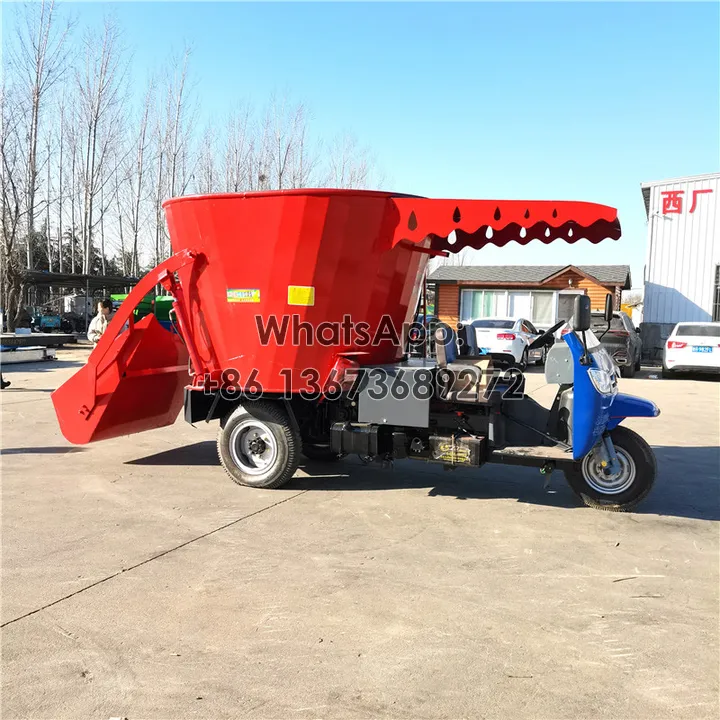
การควบคุมต้นทุนในการเลี้ยงวัวและแกะ
โครงสร้างต้นทุนของการเลี้ยงวัวและแกะประกอบด้วย:
- ต้นทุนอาหาร
- ต้นทุนแรงงาน
- ค่าเสื่อมของอุปกรณ์
- ค่าใช้จ่ายในการบริหารจัดการ
ในบรรดาสิ่งเหล่านี้ ค่าแรงงานและอาหารเป็นสัดส่วนสูงสุด
ลดต้นทุนแรงงาน
หลังจากนำเครื่องกระจายอาหารฟางรถสามลายไปใช้:
- คนเดียวสามารถทำงานให้อาหารในหลายคอกได้
- ลดความต้องการแรงงานลง 2–4 คน
- ลดความเสี่ยงด้านแรงงานในระยะยาว
สำหรับฟาร์มขนาดกลางถึงใหญ่ การลงทุนในเครื่องจักรบรรจุฟางมักคุ้มค่าภายใน 6–12 เดือน
ลดการสูญเสียอาหาร
แหล่งที่มาของการสูญเสียอาหารได้แก่:
- การกระจายไม่สม่ำเสมอ
- การให้อาหารเกินความจำเป็น
- การเหยียบย่ำของวัวและแกะ
ข้อดีของการให้อาหารกลไก:
1️⃣ การกระจายที่สม่ำเสมอ
2️⃣ การควบคุมปริมาณอาหารที่ให้
3️⃣ อัตราการกินอาหารที่ดีขึ้น
การดำเนินการในระยะยาวสามารถลดการสูญเสียอาหารอาหารสัตว์ลง 5%–10%
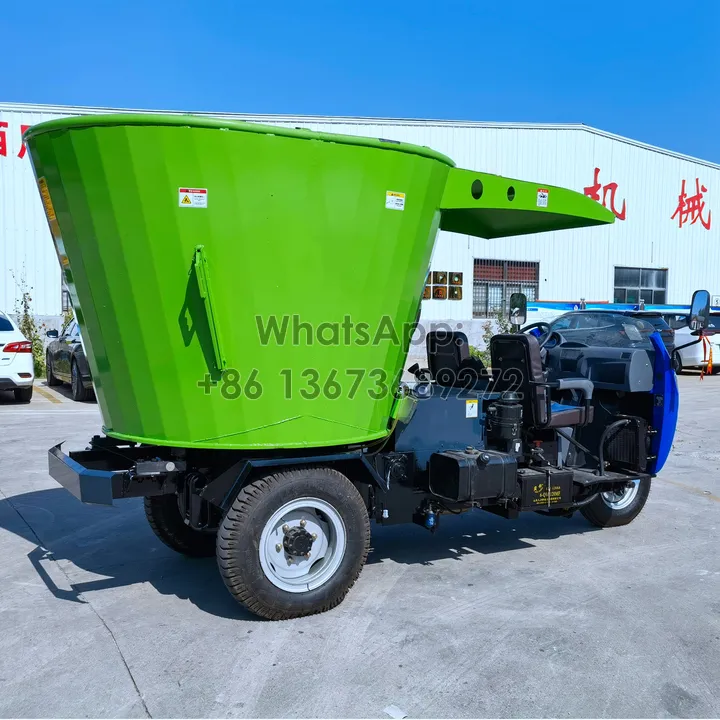
ประสิทธิภาพการให้อาหารทุ่งหญ้า
การใช้รถกระจายอาหารรถสามลายซายี่สามารถเพิ่มประสิทธิภาพการให้อาหารได้อย่างมีนัยสำคัญ
ปรับปรุงประสิทธิภาพเวลา
การให้อาหารด้วยมือมักต้องการ:
- การประสานงานของบุคลากรหลายคน
- การเดินซ้ำหลายรอบ
- เวลาการดำเนินการที่ขยายออกไป
- การให้อาหารด้วยมือมักต้องการ:
ในขณะที่เครื่องกระจายอาหารฟางรถสามลายสามารถ:
- การดำเนินงานต่อเนื่อง
- การกระจายวัสดุอย่างรวดเร็ว
- ครอบคลุมพื้นที่ให้อาหารทั้งหมดในครั้งเดียว
ประสิทธิภาพโดยทั่วไปเพิ่มขึ้น 2–3 เท่า
การให้อาหารที่สม่ำเสมอและเป็นเนื้อเดียวกัน
การให้อาหารที่เสถียรและสม่ำเสมอให้ผลลัพธ์:
- การบริโภคที่สมดุลมากขึ้นสำหรับวัวและแกะ
- การเพิ่มขึ้นของน้ำหนักรายวัน
- การผลิตน้ำนมที่เพิ่มขึ้น
คุณภาพการให้อาหารที่ดีขึ้นส่งผลโดยตรงต่อความสามารถในการทำกำไรของฟาร์ม
ความสามารถในการปรับตัวต่อสภาพแวดล้อมที่ซับซ้อน
โดยเฉพาะเครื่องกระจายอาหารฟางแบบดีเซลที่มีคุณสมบัติ:
- แรงบิดสูง
- ความคล่องตัวที่ยอดเยี่ยม
- ไม่ต้องพึ่งพาแหล่งพลังงานภายนอก
- ความสามารถในการปรับตัวต่อเนินเขาและพื้นดินเปียกโคลน
คุณสมบัติเหล่านี้ให้ข้อได้เปรียบในทุ่งหญาและตลาดส่งออก
อัปเกรดอัจฉริยะ
ด้วยความก้าวหน้าทางเทคโนโลยีอุปกรณ์เกษตร เครื่องผสมอาหารฟางซายี่แบบรถสามลายก็อยู่ในระหว่างการอัปเกรดอย่างต่อเนื่อง
การอัปเกรดระบบไฮดรอลิก
ข้อดีของการส่งผ่านด้วยไฮดรอลิก:
- การดำเนินงานที่ราบรื่น
- ความเร็วในการกระจายที่ปรับได้
- ต้นทุนบำรุงรักษาต่ำ
เหมาะสำหรับการใช้งานในระยะยาวและบ่อยครั้งในฟาร์มขนาดกลางถึงใหญ่
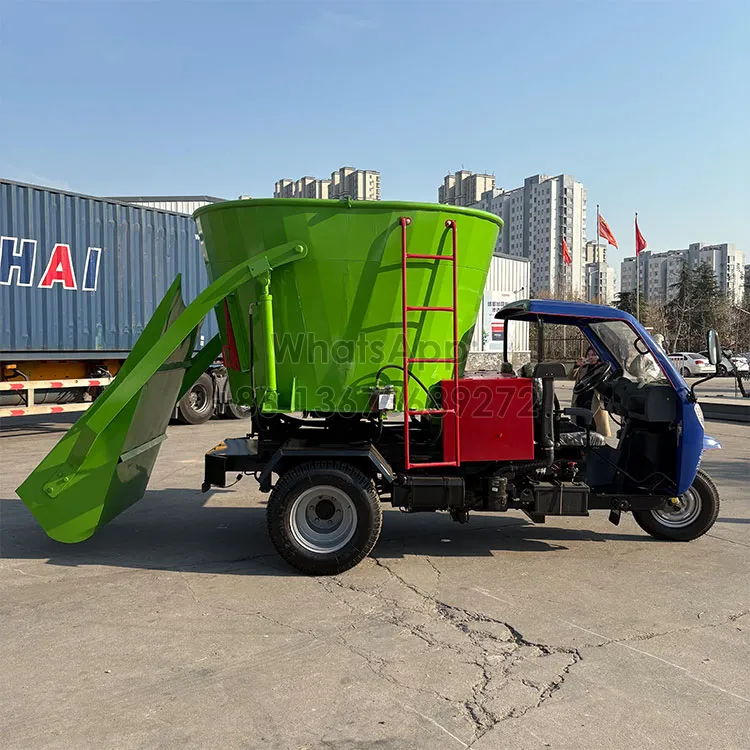
การปรับปรุงระบบปฏิบัติการ
รุ่นเครื่องให้อาหารฟางแบบห่อฟางแบบทันสมัยมักมีคุณสมบัติ:
- ระบบสตาร์ทไฟฟ้า
- การควบคุมความเร็วแบบแปรผัน
- โครงสร้างการกระจายแบบสองด้าน
- การออกแบบโครงสร้างเสริมแรง
ใช้งานง่ายขึ้นและเสถียรภาพดีขึ้น
ก้าวสู่ความฉลาด
แนวโน้มในอนาคตประกอบด้วย:
- การควบคุมการให้อาหารในเชิงปริมาณ
- ฟังก์ชันบันทึกข้อมูล
- การปรับแต่งการกระจายอย่างแม่นยำ
- ระดับอัตโนมัติที่เพิ่มขึ้น
การอัปเกรดอัจฉริยะจะช่วยปรับปรุงความแม่นยำในการจัดการฟาร์มให้ดีขึ้น
สรุป
ในฟาร์มวัวและแกะสมัยใหม่ เครื่องกระจายอาหารฟางรถสามลายไม่ใช่อุปกรณ์เสริมอีกต่อไป แต่เป็นเครื่องมือสำคัญในการเพิ่มประสิทธิภาพและควบคุมต้นทุน ไม่ว่าจะเป็นการอัปเกรดฟาร์มขนาดเล็กหรือขยายฟาร์มขนาดใหญ่ การใช้งานเครื่องกระจายอาหารรถสามลายอย่างมีกลยุทธ์เป็นรากฐานที่มั่นคงสำหรับการพัฒนาในระยะยาว
หากคุณกำลังประเมินการนำเข้าอุปกรณ์ให้อาหารกลไกสำหรับฟาร์มของคุณ เราขอแนะนำให้ทำการคัดเลือกอย่างเป็นระบบโดยอิงจากสิ่งต่อไปนี้เพื่อให้ได้ประสิทธิภาพสูงสุดและการเพิ่มประสิทธิภาพด้านต้นทุน
- ขนาดการดำเนินงาน
- ปริมาณอาหารรายวัน
- สภาพภูมิประเทศ
คุณสามารถส่งคำถามของคุณโดยตรงผ่านแบบฟอร์มสอบถามทางด้านขวา เราจะติดต่อกลับภายในไม่กี่ชั่วโมงเพื่อให้คำแนะนำเชี่ยวชาญ
สำหรับรายละเอียดเพิ่มเติมเกี่ยวกับเครื่องกระจายฟาง กรุณาอ้างอิงที่: