
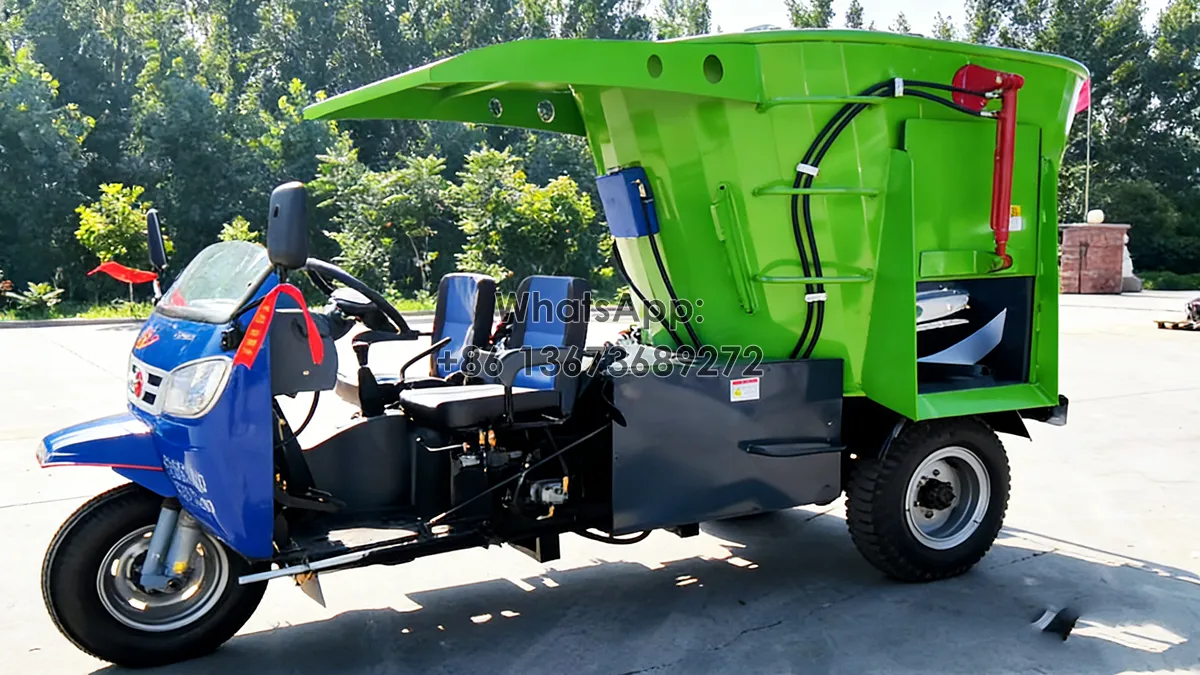


مع تطور تربية الماشية والخراف نحو عمليات كبيرة وموحدة، تتزايد بشكل متواصل المزارع التي تعتمد على مبسط الأعلاف ثلاثي العجلات للمهام اليومية. سواء في مزارع الألبان، أو تربية العجول، أو مزارع الخراف الكبيرة، الطلب السوقي على هذا المعدات مستمر في النمو.
يقدم هذا المقال تحليلًا منهجيًا من عدة وجهات نظر، بما في ذلك اتجاهات الصناعة، السيطرة على التكاليف، زيادة الكفاءة، والترقيات الذكية، لمساعدتك على الفهم.
الاتجاه الميكانيكي للمزارع الكبيرة
توسيع نطاق المزرعة
تظهر اتجاهات تربية الماشية والخراف الحالية:
- زيادة أعداد الثروة الحيوانية في المزرعة
- دورات تغذية أكثر تكرارًا
- معايير إدارة أكثر صرامة
تواجه التغذية اليدوية التقليدية قيودًا واضحة:
- اعتماد كبير على العمالة
- كفاءة منخفضة
- صعوبة في الإدارة الموحدة
- معدل دوران عمالة مرتفع
في ظل هذا السياق، يظهر مبسط الأعلاف ثلاثي العجلات كحل حاسم لاستبدال العمل اليدوي.
التغذية الميكانيكية
اعتماد المعدات الميكانيكية يدل على:
- إجراءات تشغيل موحدة
- جداول تغذية منتظمة
- كفاءة الإنتاج القابلة للقياس
هذا لا يرفع فقط معايير إدارة المزرعة، بل يعزز أيضًا ميزة الشركات التنافسية في السوق.
التحكم في تكاليف تربية الماشية والخراف
هيكل تكلفة تربية الماشية والخراف يشمل بشكل رئيسي:
- تكاليف العلف
- تكاليف العمالة
- استهلاك المعدات
- نفقات الإدارة
من بين هذه، تشكل العمالة والعلف أعلى النسب.
تقليل تكاليف العمالة
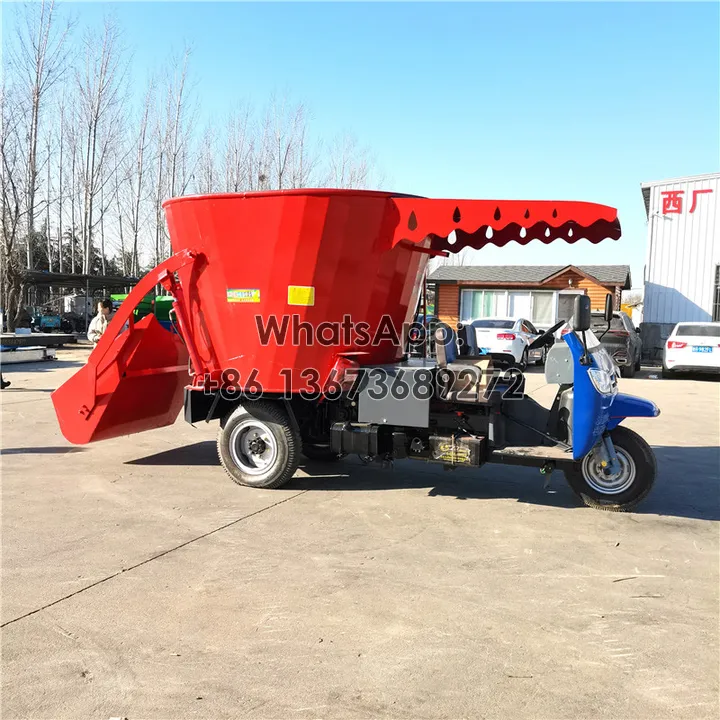
بعد تنفيذ مبسط الأعلاف ثلاثي العجلات:
- يمكن لشخص واحد إكمال التغذية عبر عدة حظائر
- تقليل متطلبات العمالة بمقدار 2-4 عمال
- تقليل مخاطر العمل على المدى الطويل
بالنسبة للمزارع المتوسطة والأكبر، عادةً ما يحقق استثمار معدات السيلاج عائدًا خلال 6-12 شهرًا.
تقليل هدر العلف
تشمل مصادر هدر العلف:
- توزيع غير متساوٍ
- زيادة التغذية
- دوس الماشية والخراف
مزايا التغذية الميكانيكية:
توزيع موحد 1️⃣
كمية تغذية محكومة 2️⃣
3️⃣ تحسين معدل تناول العلف
يمكن أن يقلل التنفيذ طويل الأمد من فقدان العلف بنسبة 5%-10%.
كفاءة تغذية المراعي
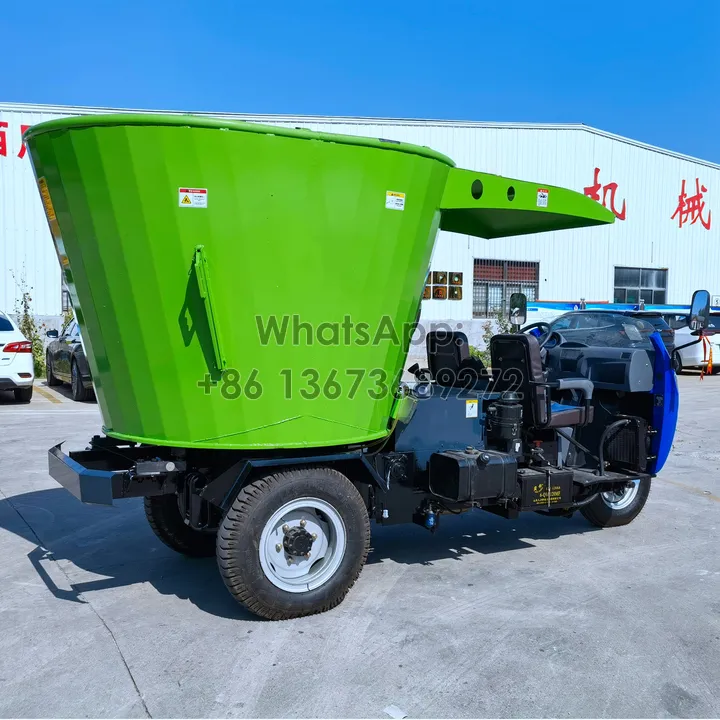
استخدام سيارة توزيع العلف ثلاثية العجلات من تايزي يمكن أن يعزز بشكل كبير من كفاءة التغذية.
تحسين كفاءة الوقت
غالبًا ما تتطلب التغذية اليدوية:
- تنسيق بين عدة أفراد
- رحلات متكررة
- مدة الإنجاز الممتدة
- غالبًا ما تتطلب التغذية اليدوية:
بينما يتيح مبسط الأعلاف ثلاثي العجلات:
- تشغيل مستمر
- توزيع المواد بسرعة
- تغطية تمر عبر الممر بالكامل مرة واحدة
عادةً، تزيد الكفاءة بمقدار 2-3 مرات.
تغذية أكثر توحدًا واتساقًا
يوفر التغذية المستقرة والمتساوية:
- تناول أكثر توازنًا للماشية والخراف
- زيادة الوزن اليومي
- زيادة إنتاج الحليب
تحسين جودة التغذية يؤثر مباشرة على ربحية المزرعة.
القدرة على التكيف مع بيئات معقدة
خصوصًا، مبسط الأعلاف ثلاثي العجلات الذي يعمل بالديزل، ويتميز بـ:
- عزم عالي
- سهولة المناورة الممتازة
- بدون الاعتماد على مصادر طاقة خارجية
- القدرة على التكيف مع المنحدرات والأراضي الطينية
تمنحه هذه الصفات ميزة واضحة في المراعي الجبلية وأسواق التصدير.
ترقية ذكية
مع تقدم تكنولوجيا معدات الزراعة، تتطور أيضًا خلاطات السيلاج ثلاثية العجلات من تايزي بشكل مستمر.
ترقية النظام الهيدروليكي
مزايا النقل الهيدروليكي:
- سلاسة التشغيل
- سرعة توزيع قابلة للتعديل
- تكاليف صيانة منخفضة
مناسب للاستخدام طويل الأمد ومتكرر في المزارع المتوسطة والكبيرة.
تحسين نظام التشغيل
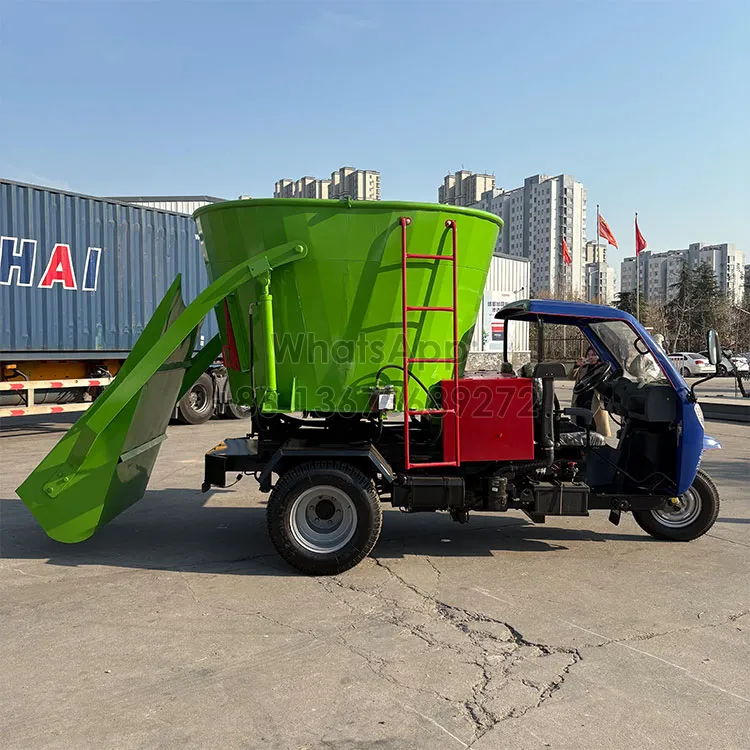
تشمل نماذج آلات توزيع علف العشب الحديثة عادة:
- نظام بدء تشغيل كهربائي
- التحكم في السرعة المتغيرة
- هيكل التوزيع ذو الجانبين
- تصميم إطار معزز
يتميز بعملية أبسط واستقرار معزز.
التقدم نحو الذكاء
الاتجاهات المستقبلية تشمل:
- التحكم الكمي في التغذية
- وظيفة تسجيل البيانات
- تعديل دقيق في توزيع التمشيط
- مستويات أعلى من الأتمتة
ستعمل الترقيات الذكية على تحسين دقة إدارة المزرعة بشكل أكبر.
ملخص
في تربية الماشية والخراف الحديثة، لم يعد مبسط الأعلاف ثلاثي العجلات مجرد «جهاز مساعد»، بل أداة أساسية لتعزيز الكفاءة والسيطرة على التكاليف. سواء كانت ترقية مزرعة صغيرة أو توسيع مزرعة كبيرة، فإن نشر مبسط الأعلاف بشكل استراتيجي يضع أساسًا قويًا للتطوير على المدى الطويل.
إذا كنت تقيّم إدخال معدات التغذية الميكانيكية لمزرعتك، نوصي بإجراء اختيار منهجي بناءً على ما يلي لتحقيق أقصى قدر من الكفاءة وتقليل التكاليف.
- حجم التشغيل
- حجم العلف اليومي
- ظروف التضاريس
يمكنك تقديم استفسارك مباشرة من خلال نموذج الاستفسار على اليمين. سنتواصل معك خلال بضع ساعات لتقديم النصيحة المهنية.
لمزيد من تفاصيل موزع السيلاج، يرجى الرجوع إلى: